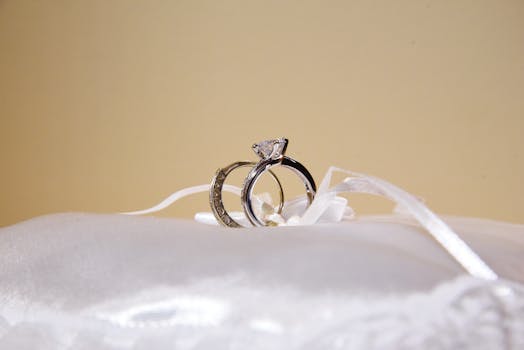

Did you know that the global wedding jewelry market is projected to reach billions in the coming years, with engagement and wedding rings forming its cornerstone? Within this vast landscape, real gold diamond wedding rings stand out not just for their aesthetic appeal, but for their profound symbolism and tangible investment value. These aren’t mere trinkets; they are heirlooms in the making, potent declarations of commitment forged from nature’s most enduring materials. For those embarking on the significant journey of selecting wedding bands, a deep dive into what constitutes “real” is paramount to ensuring a purchase that resonates with both sentiment and substance.
The Intrinsic Value Proposition: Why Gold and Diamonds Endure
The allure of gold and diamonds in wedding rings is deeply rooted in their inherent qualities. Gold, with its lustrous sheen and resistance to tarnishing, has been a symbol of wealth and purity for millennia. Diamonds, on the other hand, are the hardest natural substance on Earth, their brilliance and durability mirroring the desired permanence of marital bonds. When combined in real gold diamond wedding rings, they create a synergy of lasting beauty and irrefutable value.
#### Understanding Gold Purity: Karats Explained
The term “real gold” in wedding rings primarily refers to its purity, typically denoted by karats (K). This system measures the proportion of pure gold in an alloy.
24K Gold: This is pure gold, 99.9% fine. While its value is highest, it’s too soft for everyday wear in jewelry, prone to scratching and bending.
18K Gold: Composed of 75% pure gold and 25% other metals (like copper, silver, or zinc) for durability. It offers a rich color and excellent hypoallergenic properties, making it a popular choice.
14K Gold: Contains 58.3% pure gold, with the remaining 41.7% being alloy metals. It’s a robust and cost-effective option, widely used for its balance of durability and gold content.
10K Gold: The minimum standard to be considered “gold” in many countries, it’s 41.7% pure gold. It’s very durable but has a less intense gold hue and may not be suitable for those with metal sensitivities.
The choice of karat significantly impacts the ring’s color, durability, and price. 18K and 14K are generally considered the sweet spot for wedding rings, offering a harmonious blend of genuine gold content and practical resilience.
#### The Diamond’s Contribution: More Than Just a Pretty Stone
Diamonds are more than just a symbol of love; their inherent physical properties make them ideal for wedding jewelry. Their unparalleled hardness (10 on the Mohs scale) means they resist scratching, a crucial feature for a ring worn daily.
The diamond’s value is determined by the “4 Cs”:
Carat: The weight of the diamond.
Cut: The proportions and symmetry, which greatly influence its sparkle.
Color: The absence of color (graded from D to Z).
Clarity: The presence or absence of internal inclusions or external blemishes.
A well-chosen diamond, set in a substantial gold band, creates a piece of jewelry that is both an emotional treasure and a sound asset.
Craftsmanship and Design: The Artistry Behind the Bands
Beyond the materials, the design and craftsmanship of real gold diamond wedding rings are critical factors. A skilled artisan can transform precious metals and stones into a wearable work of art that perfectly encapsulates the couple’s union.
#### Metal Choices: Beyond Yellow Gold
While yellow gold remains a classic, the spectrum of gold colors offers diverse aesthetic possibilities:
White Gold: An alloy of gold mixed with white metals like palladium or nickel, often plated with rhodium for an extra bright, silvery finish. It provides a modern, elegant backdrop for diamonds.
Rose Gold: Created by alloying gold with copper, resulting in a warm, romantic pinkish hue that has surged in popularity.
Platinum: Though not gold, platinum is a highly sought-after alternative for wedding rings. It’s naturally white, exceptionally durable, hypoallergenic, and denser than gold, lending it a substantial feel. Many couples opt for platinum settings for their diamond wedding rings.
#### Setting Styles: Securing Your Sparkle
The way a diamond is set significantly impacts its appearance and security. Common settings include:
Prong Settings: The diamond is held in place by metal claws, allowing maximum light to enter and enhancing brilliance.
Bezel Settings: A metal rim encircles the diamond, offering superior security and a sleek, contemporary look.
Pavé Settings: Tiny diamonds are closely set together, creating a carpet of sparkle, often used on the band itself.
* Channel Settings: Diamonds are set in a groove or channel within the metal band, providing excellent protection.
Each setting choice influences the ring’s overall aesthetic, from minimalist elegance to dazzling opulence.
Authenticity and Certification: Ensuring Your Investment
When investing in real gold diamond wedding rings, verifying authenticity is paramount. This is where understanding certifications and hallmarks becomes crucial.
#### Hallmarks of Quality
Gold jewelry should bear hallmarks indicating its purity. These small stamps, usually on the inside of the band, denote the karat of the gold. Reputable jewelers will ensure these are present and accurate. For diamonds, certifications from independent gemological laboratories are the gold standard.
#### Diamond Grading Reports
Organizations like the Gemological Institute of America (GIA) provide detailed reports grading a diamond’s 4 Cs. A diamond with a GIA report offers objective verification of its quality, assuring buyers of their investment. It’s wise to seek diamonds that come with such reputable grading reports, especially for significant purchases.
The Enduring Symbolism: More Than Material Worth
Ultimately, the true value of real gold diamond wedding rings transcends their market price. They are tangible representations of a profound commitment, a promise of enduring love, and a shared future. The fusion of gold’s timelessness with the diamond’s unyielding brilliance creates a powerful metaphor for a marriage built to last.
I’ve often found that couples who invest time in understanding the nuances of these rings – from the karat of the gold to the clarity of the diamond – develop a deeper appreciation for their chosen symbol. It’s a decision that honors tradition while embracing personal style, ensuring the ring worn on the finger is not just beautiful, but also imbued with meaning and integrity.
Crafting Your Legacy: The Informed Choice for Wedding Rings
Selecting real gold diamond wedding rings is a significant undertaking, one that blends emotional resonance with practical considerations. By understanding the intricacies of gold purity, the nuances of diamond grading, and the artistry of craftsmanship, couples can confidently choose rings that not only symbolize their union but also stand the test of time as a lasting legacy. The journey to finding the perfect pair is an opportunity to invest in a symbol of enduring love, crafted from materials as steadfast and brilliant as the commitment they represent.